Most people choose their first festival by reputation: a name they have heard, a city they want to visit, a poster with a quote on it. The name tells you less than the format does. A fringe, a classical festival and a street festival ask for different budgets, different planning habits and different appetites for risk. Pick the format that matches how you actually like to spend a day, and the week will feel less like an endurance test and more like a holiday with theatre in it.
Before you compare a single ticket price, answer these honestly.
Your answers point to one format faster than any lineup does. Then check two practical things: language, meaning whether there are surtitles or English-language performances, and how much walking and standing you can comfortably do on a normal afternoon.
A fringe is open access. Anyone with a venue, a budget and a box office can appear, which is why the programme runs to hundreds or thousands of shows and why nobody has seen all of it, including the programmers. Edinburgh is the model most people know, and Avignon's Off works on similar principles: a small curated festival at the centre, and a much larger unofficial one around it.
What that means for you is choice without a filter. You will find extraordinary work by unknown companies and you will sit through things that never found their shape. Both are part of the deal. Shows tend to run for an hour, many for less, and the same company may perform at eleven in the morning and again at midnight.
Tickets are usually the cheapest part of a fringe trip, and free shows with a collection at the end are common. Accommodation is where the money goes, because everyone arrives at once and the city knows it. Book a bed early, stay a little further out than feels convenient, and treat travel and lodging as your real budget line.
Programmes are often published only a couple of months before the festival, and late additions are normal. You will build your days in overlapping blocks: a 2pm show, a 4.30pm show, a gap for food, an 8pm and something late. Many venues are converted spaces, which means steep stairs, low ceilings, no lifts and sightlines that depend on where you sit. Read the venue notes rather than the show blurb if access matters to you.
A fringe rewards curiosity and a tolerance for failure. If a bad show ruins your evening rather than amusing you, start elsewhere.
Classical festivals are curated. Someone has chosen a season, usually around a composer, a director, an anniversary or an idea, and the programme is fixed and published well in advance. Salzburg, Aix-en-Provence and Glyndebourne are the obvious reference points, though most European countries have regional equivalents with serious ambitions and friendlier prices.
You know what you are buying: named artists, full productions, orchestras, purpose-built or historic houses. Casting and repertoire are announced months ahead, which means you can read about a production before committing, and tickets often go on sale on a single announced date. Booking early is not a virtue here; it is the mechanism.
Top-price seats at prestigious festivals are expensive, and the best of them sell out to subscribers. The realistic route in is the cheap end: upper circles, restricted-view seats, standing places, and rush or last-minute schemes where the festival runs them. Check exchange and return policies too, since plans change.
Days are calmer. Two performances, a long dinner, a walk. Venues are professional houses with lifts, hearing loops and designated accessible seating, though older buildings vary and some have formal dress traditions. If you are new to this world, pick a festival with a strong programme of talks or pre-performance introductions rather than launching straight into a four-hour opera.
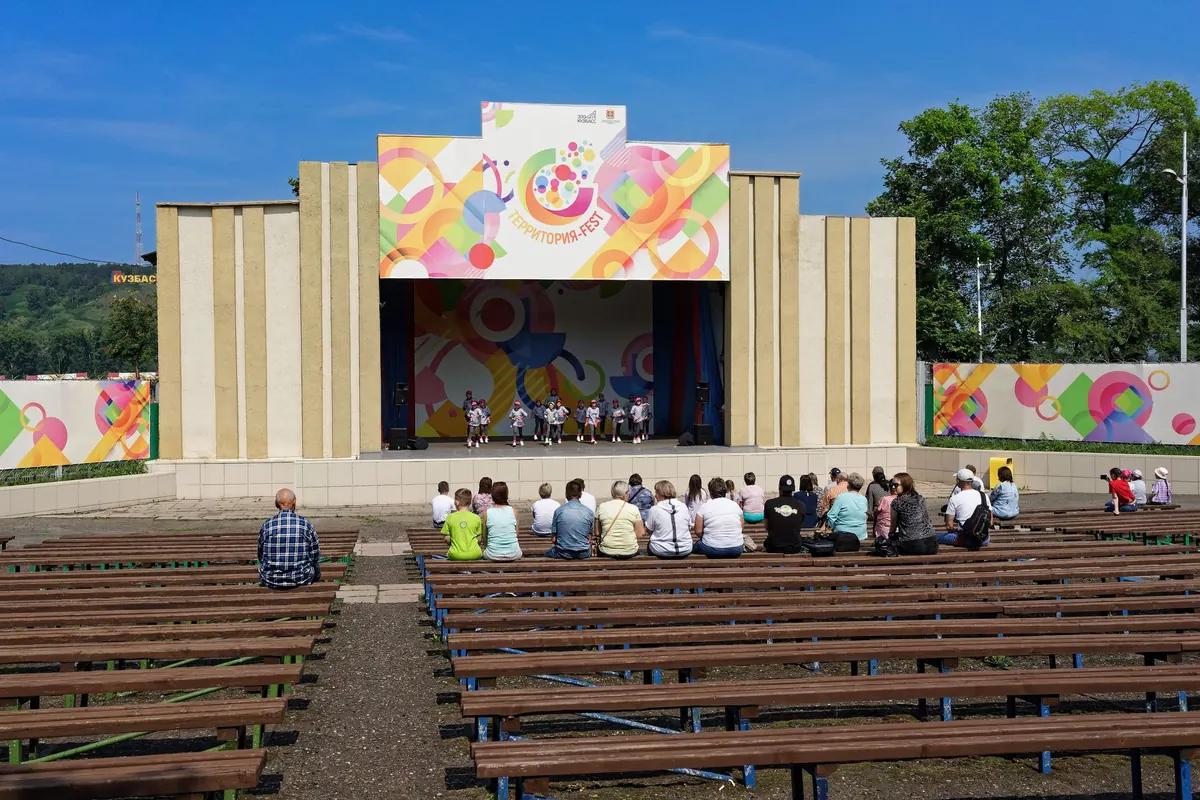
Street theatre is free at the point of entry, with performers passing a hat or a bucket at the end. Sets are short, often twenty to forty minutes, and the audience stands, sits on steps or leans on whatever is available. You cannot book, you cannot reserve, and the schedule will slip because a crowd takes time to gather.
This is the most sociable of the three formats and the easiest to try with friends who are not sure about theatre, children, or a partner who would rather not sit in the dark for three hours. It is also the most weather-dependent. A rainy afternoon empties a square, and the best acts often play the same pitch at the same time each day, so once you find something good you can return.
Access is the weak point: cobbles, crowds, no seating, unpredictable noise and toilets that are wherever the city puts them. Festivals that take street work seriously publish pitch maps and timetables, which are worth downloading before you go.
If you are new to festivals and unsure, start with a short street festival in your own city. It costs almost nothing, teaches you how to read a crowd and a timetable, and lets you leave when you have had enough. If you already love theatre and want to be surprised, take three or four days at a fringe rather than a full week, and stay within walking distance of one cluster of venues. If you know the repertoire you care about, choose a classical festival with a cheap seat and a well-reviewed production, and go for two nights. Whichever you pick, note afterwards what you actually enjoyed — the work, the company, the walking between venues — and let that, rather than the poster, choose the next one.
Photo: Александр Коновалов / Pexels
A practical guide to reading Italian regional theatre seasons — the cartellone, subscription turns, surtitles,...

A practical guide to reviewing devised and experimental theatre: how to read movement, sound design, audience...

A practical guide for student journalists on interviewing playwrights: how to ask about process, revision and...

Capturing fleeting moments from the world of theatre.