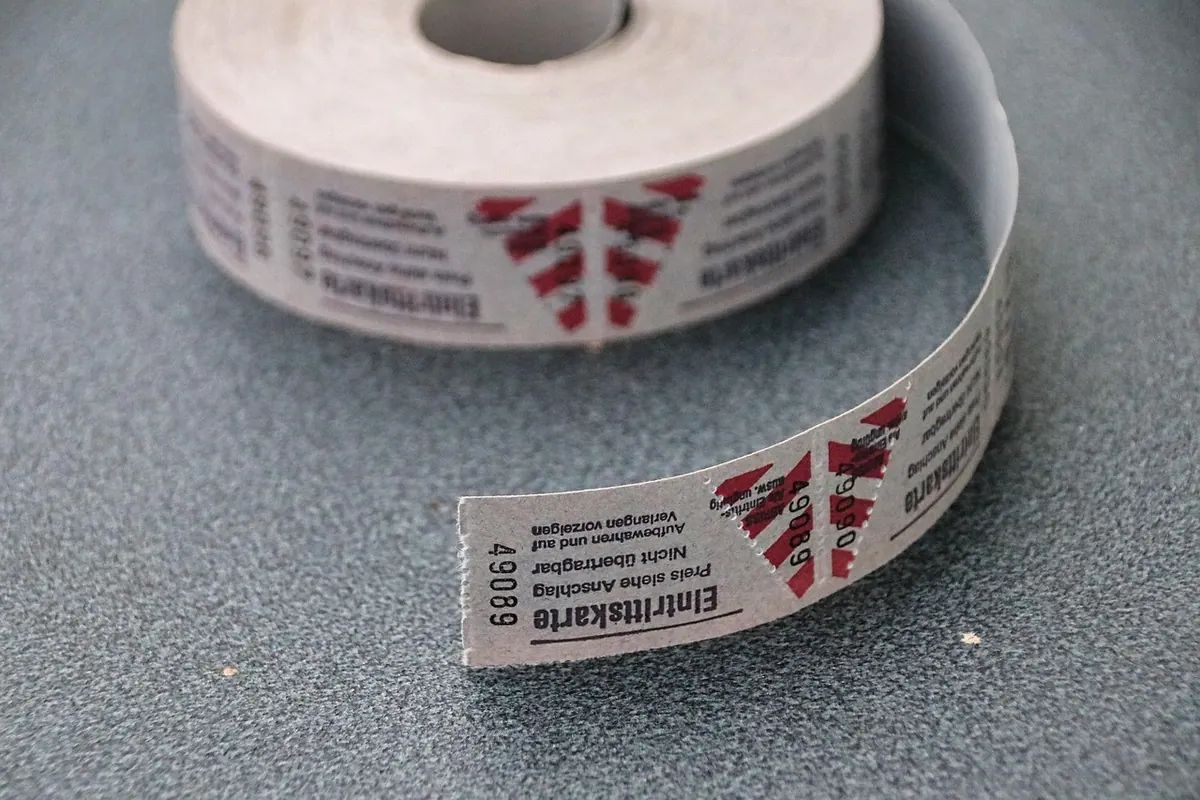
Buying theater tickets for the first time can feel like solving a puzzle while the clock runs. The seat map is a grid of colors, the prices shift, and the checkout page adds fees you did not expect. The good news is that theaters are fairly predictable once you know what you are looking at. A little patience and a few checks can put you in a better seat for less money.
Most theaters sell seats in tiers, even when the labels are vague. Premium seats are usually the center orchestra, close to the stage. Mid-tier seats sit farther back or off to the side. Lower-tier seats are in the balcony, under an overhang, or behind a partial obstruction. The names change—A, B, C; gold, silver, bronze; prime, standard, restricted—but the logic stays consistent: you pay for proximity, centrality, and an unobstructed view.
The most expensive seat is rarely the best value. In many houses, the first few rows of the mezzanine or the front of the balcony can feel closer than the back of the orchestra, especially in deep auditoriums. If the theater has a curved or thrust stage, side seats in the first rows may be surprisingly good. Before you pay for premium, ask whether you are buying a better view or just a better label.
Restricted-view seats can be excellent value if you know what you are losing. A pillar near the aisle might block a corner of the stage. A side seat might hide upstage entrances. An overhang might cut off the top of the set. For a play with a simple set, that may not matter. For a musical with aerial work or a full-stage spectacle, it might. Read the seat description, check the seating chart, and call the box office if the restriction is unclear.
Many theaters hold back seats for same-day rush, student rush, senior discounts, or digital lotteries. These are not secrets, but they do require attention. Rush tickets are often released when the box office opens or a few hours before curtain. Lotteries may close the day before. Standing room may go on sale only after the house is full. Policies vary by venue and production, so check the official website or ask at the box office.
These options reward flexibility. If you have a fixed date and a group of four, rush is risky. If you are going alone on a Tuesday, it can be a smart way to see a show for less. Have a backup plan: know the regular price of a seat you would accept, and set a limit for what you will pay if the rush line comes up empty.
Cheaper seats are usually cheaper for a reason, but the reason matters. A seat at the far side of the orchestra may be close to the stage but cut off one side of the set. A seat in the last row of the balcony may be far away but centered and unobstructed. A seat under the overhang may feel compressed and lose the top of the proscenium. None of these is automatically bad; they are different trade-offs.
Look at the seating chart and find the stage orientation. Is the stage proscenium, thrust, or in the round? A thrust stage pushes into the audience, so side seats can be better than they look. In the round, every seat has a different angle, and some seats face the backs of performers for long stretches. If the venue publishes partial-view notes, read them. If not, study the theater’s seating chart for pillars, railings, and sound desks.
Sound matters too. Some cheap seats are under a balcony or near a speaker, which can make dialogue muddy. If you are seeing a play with rapid dialogue, prioritize clarity over closeness. If you are seeing a dance piece or a spectacle, a wider view may matter more than hearing every word. Match the seat to the show, not just to the price.
Timing is the most reliable way to pay less without sacrificing too much. The best strategy depends on demand. For a hot opening night or a limited run, waiting can backfire. For a long-running show with unsold seats, patience can pay off. The general rule is to buy early when the show is likely to sell out, and to wait when the theater is likely to discount. Prices can move with demand; some theaters use dynamic pricing, so the same seat may cost more on a Saturday night than on a Tuesday.
Do not assume that last-minute always means cheaper. In a small house with strong word of mouth, the remaining seats may be the worst ones at full price. Check the seat map before you wait. If the only seats left are single seats on the aisle or obstructed views, decide whether that is the experience you want.
Start with the venue’s official website or box office. Authorized resale platforms can be useful when a show is sold out, but make sure you understand the terms. Some resale tickets are legitimate; some are speculative or overpriced. Avoid any seller that pressures you to pay by wire transfer or refuses to show the seat location before purchase. If a deal looks too good for a popular show, check the venue’s official channel first.
Service fees, facility fees, order processing, and delivery charges can add a lot to the advertised price. Compare the all-in total across sellers, not the headline price. If you are buying for a group, collect payment before you book and confirm the venue’s exchange policy. Ticket policies are contractual; read them before you pay, and ask the box office directly if anything is unclear.
Before you buy, decide what matters most: price, proximity, view, or date. Then choose a strategy that fits. If you want a good seat at
Photo: planet_fox / Pixabay

A practical guide to reading Italian regional theatre seasons — the cartellone, subscription turns, surtitles,...

A practical guide to reviewing devised and experimental theatre: how to read movement, sound design, audience...

A practical guide for student journalists on interviewing playwrights: how to ask about process, revision and...

Capturing fleeting moments from the world of theatre.